
1391 articles
 steam
steam
Transatlantic Cable podcast, episode 34
On this episode of the podcast, Jeff and David discuss personal data being sold on Facebook, cops trying to unlock an iPhone with a dead man’s finger, bad passwords, and more.

 RSA2018
Leaking ads
Even very popular apps display ads using third-party code, which can transmit personal data unencrypted.

7 reasons you shouldn’t post your boarding pass online
Think a photo of your boarding pass is innocent when posted online? Think again.

 IoT
IoTIn defense of the IoT: First-hand experience
The day I turned home network defender and stopped making fun of IoT developers.

 SAS
SASSmall hacks: Free coffee, spying taxis, and a vulnerable airport
At this year’s Security Analyst Summit, Inbar Raz revealed how he managed to crack a cafe chain’s loyalty card system, a taxi service, and an airport
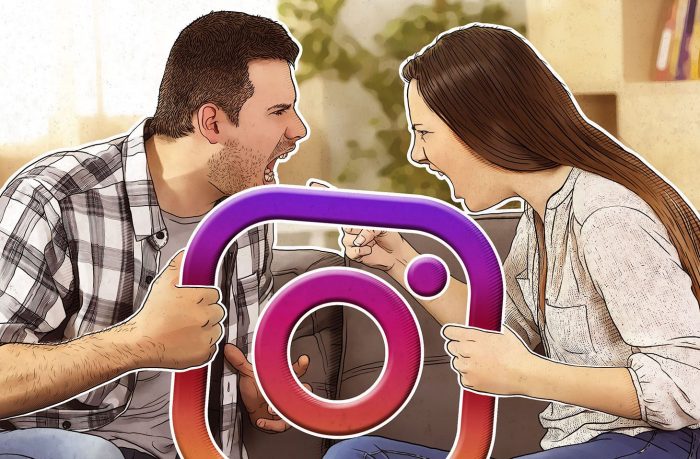
A Digital Kingdom for Two: Securing a Shared Online World
Sharing between partners is a natural next step in any relationship, and that’s the case online as well as in the physical world. Indeed, with so many of our daily interactions taking place online, sharing devices and even accounts with your other half is becoming as common place as sharing a bed or car.

Modern yacht hacking
Yachts are now Internet-friendly — and vulnerable because developers aren’t focusing on information security.

Slingshot APT: Riding on a hardware Trojan horse
One of the most sophisticated APT campaigns ever analyzed by our experts.

Olympic Destroyer: who hacked the Olympics?
Experts from Kaspersky Lab studied digital evidence related to the hacking attack on the 2018 Olympics in search of the actual attacker.

GetContact: Find a contact or give your contacts away?
Harmless toy or a way to phish for personal data?

A wave of Telegram hacks hits: How to protect your account
Avoid the phishing bait and protect your Telegram account
 biometrics
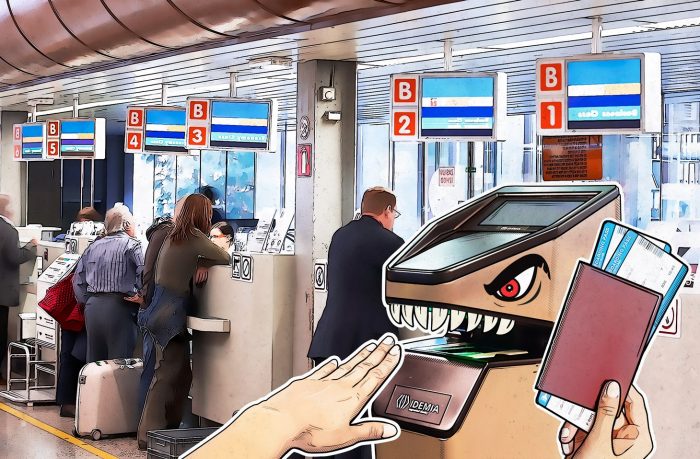
Fingerprint scanning: Faster, contactless and more precise
Two new fingerprint-scanning technologies revealed at Mobile World Congress 2018 use different approaches.

Smart home apocalypse
At MWC 2018, Kaspersky Lab researchers show how easily a smart home can be hacked.

Transatlantic Cable podcast, episode 25
On this episode of podcast, Jeff and David discuss a vulnerability in baby monitors, password reuse in Britain’s GenZ, and more.


Transatlantic Cable podcast, episode 24
In this week’s edition of Kaspersky Lab’s podcast, Jeff and Dave discuss a new LinkedIn scam targeting pensioners, finding love with passwords, and alien hunting.

Mobile malware masked as porn apps
Adult content is an ace in the hole for cybercriminals attacking Android devices.

Connected Love: Privacy in Relationships and the Boundaries of Personal Space
What happens to our private digital lives when we meet our significant other — digitally?

Selling cryptocastles in the sky
The cryptomining boom is helping scammers make money out of thin air. The latest method involves fake currency and ransomware.

 porn
pornNaked online: cyberthreats facing users of adult websites and applications
Sex sells, as they say in advertising. In cyberspace porn serves as one of the most popular tools for malicious activity.