
 cloud
cloudPrivate cloud for isolated infrastructures
Kaspersky Private Security Network brings users all of the advantages of the cloud without violating regulations or internal security policies.
800 articles
Kaspersky Private Security Network brings users all of the advantages of the cloud without violating regulations or internal security policies.

Banks and financial institutions. require a special approach to IT Security, and that is why we developed a Kaspersky Fraud Prevention Cloud.

We have developed a distinct solution to provide information security tailored specifically for SMBs — Kaspersky Endpoint Security Cloud.

If the rumours are true, 40 million Apple iCloud accounts have been hacked.

Minidionis is yet another backdoor from the same APT group responsible for CozyDuke, MiniDuke, and CosmicDuke – this time with some “cloud” capabilities.

Our personal implementation of the cloud security model is called Kaspersky Security Network. And here we’ll explain how it actually works.

The RedOctober operation was hastily wrapped-up just after a Kaspersky Lab’s publication in January 2013, but it was expected to return. And it did.

The Apple iCloud nude celebrity photo fiasco underscores the uncomfortable reality that even the savvy among us aren’t totally sure about what goes on and into “the Cloud.”

Don’t want your private photos or credit card posted somewhere on the web? You should rethink your approach to cloud services then.
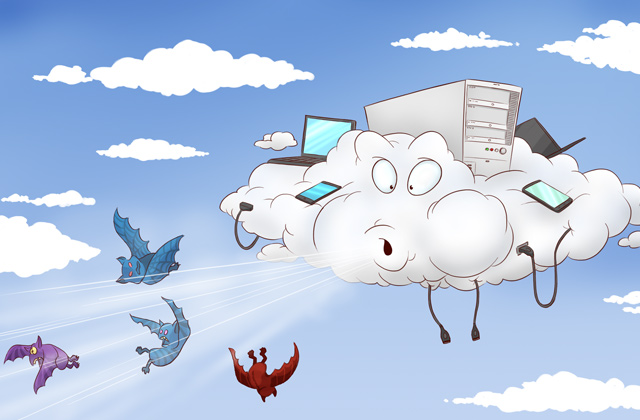
Updated: Current principles for the processing of user data by Kaspersky Lab security solutions and technologies can be found here. According to Kaspersky Lab data, over 200,000 unique malicious samples
Using leased infrastructure for storing large amounts of data has been typical for several years. Leased capacities provide an advantage by allowing businesses to greatly reduce the cost of tending

Everything is about the cloud these days, but as we increasingly store our personal and professional data on remote servers it is essential to know that nothing is 100 percent

What tokenomics is, and how the value of AI tokens has become a cybersecurity issue.

We believe that investing in cybersecurity, like any other investment, should pay off. This post explains what a small company needs to make its security setup work for the business instead of staying a formality.

Researchers have demonstrated a partially effective Rowhammer attack on graphics accelerators.

We break down the file formats that can be unfamiliar to some users, and that aren’t always scanned by security solutions but can still pose cyberthreats.
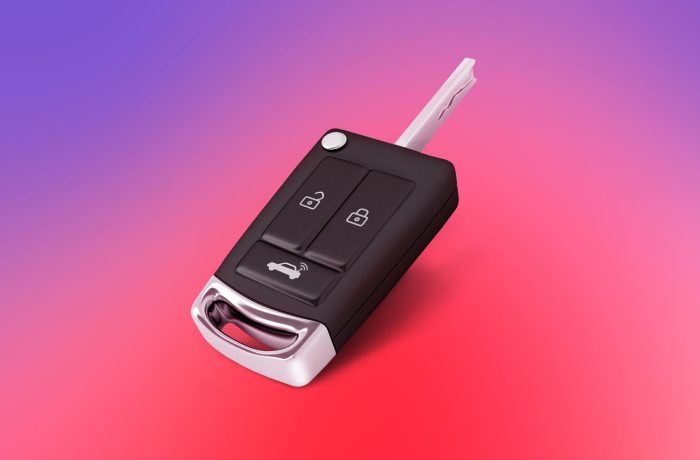
Attackers have found yet another source of free computing resources: automotive head units. We take a look at the first malware specifically targeting cars for infection.

We revisit the key rules for setting up IP cameras and related devices so that you don’t end up starring in a reality show — whether at home, in a hotel, or in rented accommodation.

Our experts investigated which file extensions cybercriminals use most in their email blasts. Here’s a breakdown of the most dangerous attachment types — and how to keep your devices safe from malicious files.

An analysis of key characteristics of AI agent-driven cyberattacks, why open-source models are sufficient to execute them, and what measures can help defend an organization.
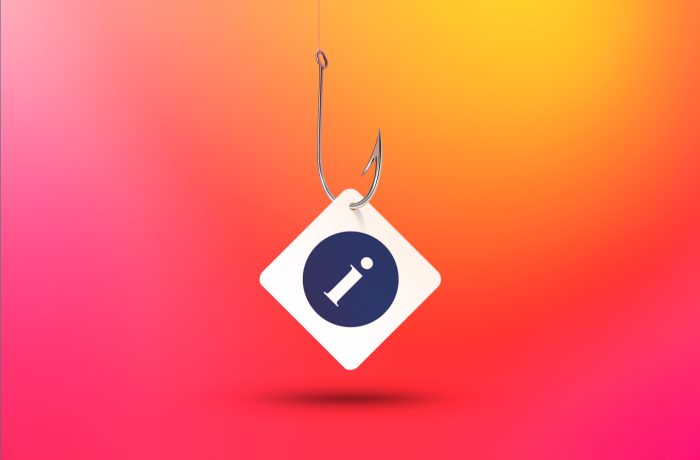
A new variation of ClickFix allows attackers to gain access to Microsoft 365 accounts. We break down how this technique works, and what threat it poses to organizations.
 HuMachine
 Apple
Apple cloud storage
 Cars
Cars