
 SIEM
The evolution of SIEM correlation rules
We regularly create new SIEM rules, but behind the scenes lies a more fundamental process —the evolution of the correlation rules themselves.
808 articles
We regularly create new SIEM rules, but behind the scenes lies a more fundamental process —the evolution of the correlation rules themselves.
We’ve revisited our study on the crackability of real-world passwords leaked on the dark web — originally conducted two years ago. The findings are sobering: nearly every other password can be cracked in under a minute, and three out of five take less than an hour. How can we move away from insecure passwords?

How law enforcement and intelligence agencies leverage data from connected vehicles, and what your car might be leaking about you.

Building a functional app without programming skills is now a possibility, but maintaining it and ensuring cybersecurity remains a challenge. Here are several protective measures that even non-technical creators can implement.

We’ve discovered over two dozen phishing apps mimicking popular crypto wallets right in the official App Store. Here’s a breakdown of the new waves of attacks targeting iPhone and Mac users and their crypto holdings.

We’re diving into how the Be My Eyes app helps blind and low-vision users, checking if it’s actually effective at spotting cyberthreats, and sharing essential safety tips for the visually impaired community.

GDDRHammer, GeForge, and GPUBreach: three new research papers diving into attacks that exploit the Rowhammer technique.

Smart sex toys and their companion apps collect and process some extremely personal data. We break down the risks involved, and ways to protect your privacy.

How to manage vulnerabilities when developing or using open-source software.

How the AI boom and increasing reliance on open-source components are piling up corporate security debt — and what you can actually do about it.

Personal backups and home NAS are now in cybercriminals’ crosshairs. We break down exactly how hackers encrypt your data — and how you can stop them.
Researcher Niels Provos’ prototype IronCurtain architecture: a system designed to restrict the actions of AI agents through isolation and security policies.

In 2025, just as in the year prior, supply-chain attacks remained one of the most severe threats facing organizations. We’re breaking down last year’s most noteworthy incidents.
How open-source security solutions became the starting point for a massive attack on other popular applications, and what organizations that use them should do.

Cybercriminals are now deploying web applications generated by Bubble, an AI-powered app builder, to hunt for corporate credentials.

We break down the BeatBanker trojan attack, which combines espionage, crypto theft, and mining with inventive ways to dig its heels into a smartphone.

Educational institutions are increasingly falling victim to ransomware attacks. We look at some real-world incidents, explain their causes, and discuss how to mitigate risks to academic infrastructure.

The latest update to Kaspersky Cloud Workload Security adds support for an AI assistant for image analysis.

What corporate security teams should do about the “viral” AI agent.
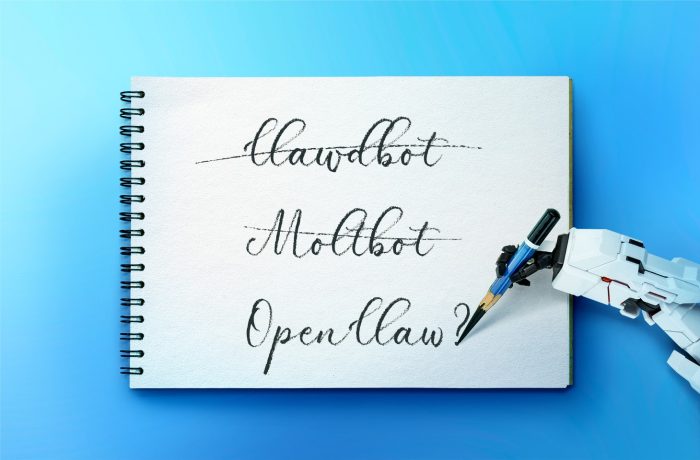
Today we’re diving into the OpenClaw AI agent — formerly known as “Clawdbot” and then “Moltbot” — to prove once again that secure AI is still a long way off.

Breaking down core cybersecurity terms that colleagues often interpret differently or incorrectly.
 passwords
 Cars
 AI
 iOS
 backup
 phishing