bank cards
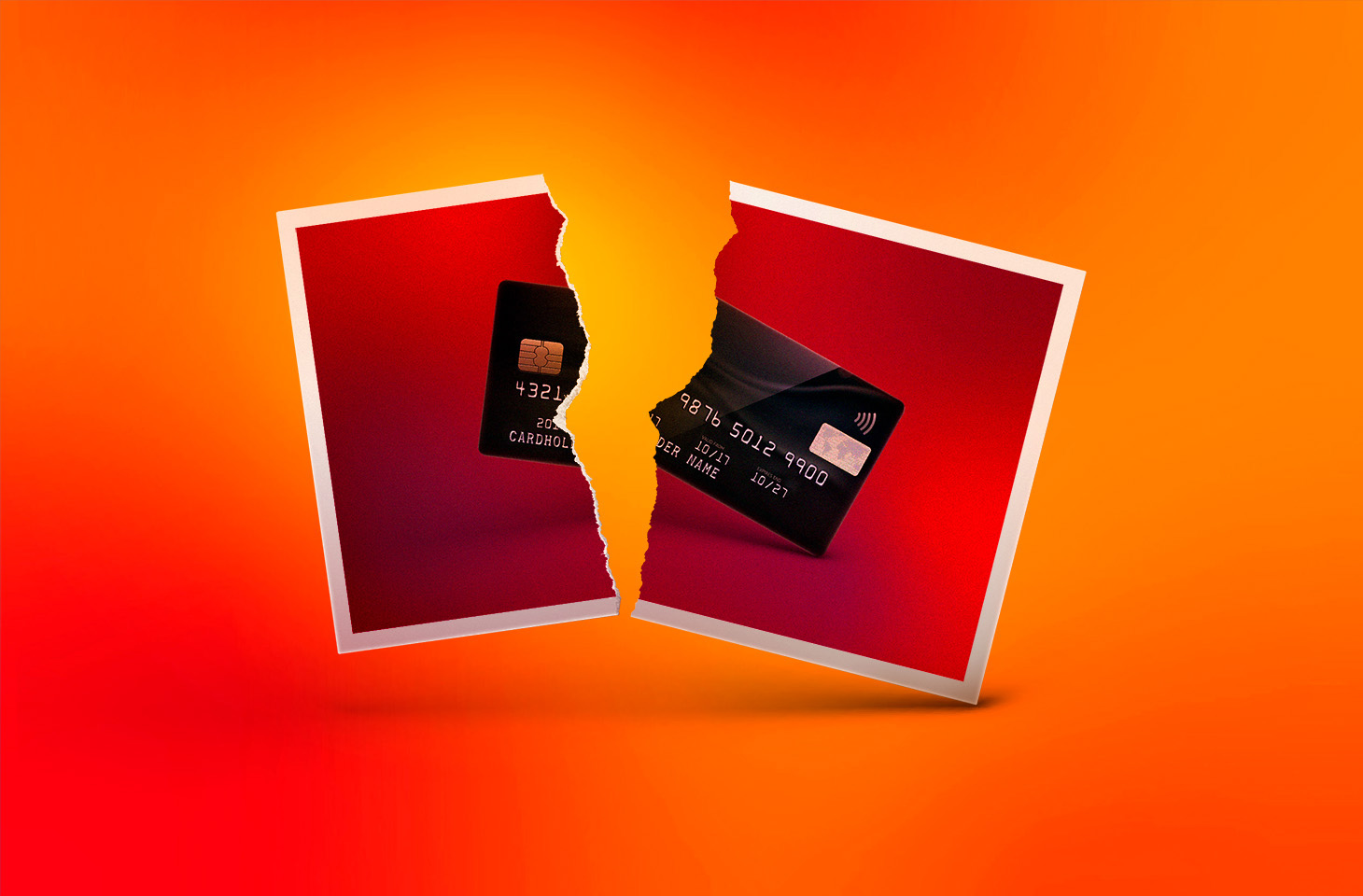
Neighborhood chats regularly light up with posts about lost bank cards being found. People mean well and want to help a neighbor out, so they post a photo of the card with the number and other details fully visible. Others mention in the chat that they’ve left the card with, say, a security guard, cashier, or manager at whatever store or business it was found, or which happens to be the closest. Today we’re going to explain why none of that is a good idea, and what you should really do if you find someone else’s bank card.
What NOT to do if you find a lost card, and why
Let’s start with why you shouldn’t post a photo of the card with its details visible in a group chat, keep the card, or hand it to a stranger. The first reason is the most obvious, but worth spelling out anyway: card details are private information that shouldn’t be shared with people who have no business seeing them. A photo posted in a group chat can end up in the hands of criminals, who may try to use those details to make fraudulent purchases online. The worst-case scenario is a photo showing both sides of the card that also exposes the three-digit security code (known as the CVC, CVV, or CVP) on the back.
Now to a less obvious point: why you shouldn’t post about finding a card, even with a photo of it with the number blurred out, and then hold on to it, planning to return it once the owner turns up. Since there’s no guarantee you were the first person to have the card in your hands, doing this puts you at risk of coming under suspicion if money disappears from that account. Even if you had absolutely nothing to do with any theft, the mere fact that the card was in your possession for a while could still land you in an uncomfortable conversation with its owner or the police.
The same logic applies to handing the card over to a third party. A security guard, cashier, or manager is just as much a stranger as anyone else, and none of them have any special authority to take charge of a found bank card. Handing it to them gives them the opportunity to use someone else’s money themselves, and if that happens, you could end up as a person of interest.
An “out of sight — out of mind” approach, that is, leaving the card where you found it, or moving it somewhere more visible, is safer for you personally, but it’s still not really the right call. If you do that, someone else will find it, and there’s no guarantee that they’ll be a decent person. They might try to drain money from the rightful owner’s account. So this isn’t a good option either.
What you SHOULD do with a found bank card
Now let’s talk about what you should do instead. The right approach might surprise you: call the bank that issued the card, report that you’ve found it, and then… destroy the card. It’s entirely possible the owner hasn’t even noticed it’s missing yet: with contactless payments now so widespread, a physical card can sit untouched in a wallet for quite a while. The bank will block the card, notify the owner that it’s gone, and issue a new one.
That last step — destroying the card — may come as a surprise and even attract some push-back among readers, but we stand by it: a found card really should be destroyed. That way, no one can possibly use it, and you won’t have to hold onto someone else’s property or risk coming under suspicion if money goes missing from the account. The simplest and most reliable way to destroy a card is to carefully cut it into small pieces with kitchen scissors and throw it in the trash or recycle it.
Here’s something worth keeping in mind: these days, a physical card isn’t actually worth all that much to its rightful owner. For one thing, banks reissue cards quickly and easily. With most banks, you won’t even need to visit a branch since the new card gets delivered straight to your door.
For another, getting a new card issued usually doesn’t leave the owner unable to pay for things in the meantime: in many cases, they can just switch to a virtual card or another payment method. So a destroyed card is a much smaller headache for its owner than the risk of its ending up in the wrong hands and being used to drain their account.
And if the card’s disgruntled owner does somehow track you down with questions, just show them this article so they can appreciate the trouble they avoided, thanks to you.
When you shouldn’t destroy a found card
Beyond bank cards, there are also multi-purpose cards, such as ones issued to schoolchildren and students that combine a few functions, like a school or university access pass and a public transit pass. Kids, especially younger ones, lose these kinds of cards fairly often. Restoring full functionality on cards like these can take much longer than reissuing a bank card, and the amounts stored on them are usually small, so if you find one, your best move is to take it to the school or university named on the card and hand it to security or reception / front office.
In short: what to do if you find someone else’s card
To sum it up, if a lost bank card ends up in your hands:
- Look for the bank’s phone number on the card. It’s usually printed there; if not, you can easily find it on the bank’s official website. Then give them a call. Let them know you’ve found someone else’s card.
- After the call, destroy the card: cut it into small pieces with scissors and throw it away.
And one more reminder of what not to do: don’t post photos of the card or its details in chats or on social media, don’t hold on to the card hoping to track down the owner, and don’t hand it over to strangers.
We’d also recommend following our blog to stay on top of the latest online threats. And feel free to share this article in that neighborhood chat so your neighbors know exactly what to do if they ever find someone else’s bank card.
As for protecting your own money, it’s worth using a robust, multi-layered security solution that safeguards your money, cards, wallets, and payments. Read more in Five Kaspersky technologies to protect your finances.
What other hidden risks do bank cards carry? Find out in our other posts: