
 Kaspersky Small Office Security
25% of users get hacked during the last 12 months; why should businesses bother?
New research by Kaspersky Lab shows that in the last 12 months every fourth Internet user had at least one of their online accounts hacked.
685 articles
New research by Kaspersky Lab shows that in the last 12 months every fourth Internet user had at least one of their online accounts hacked.

A year ago, an infamous leak which exposed some celebrities’ nude photos sparked the discussion around password safety. What can you do protect your accounts?

Just think of the sticky fingers of banks, marketers and insurers that hunt for your personal data with revolting impudence and store them unsecured. So, what’s the fuss about?

If it is not possible to get rid of a risky software for some reason, it is better to exist in a “presumption of guilt” mode, with an efficient security solution keeping it in check and preventing exploits from successful attacks, targeted ones included.
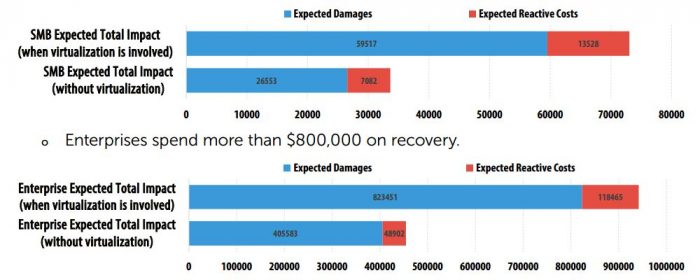
Technology dependence cannot be beaten, but the technologies can be laid out properly. With good system architecture and a proper security policy, the number of bottlenecks is brought to an absolute minimum.

How many research centers do you need to fight for a safer cyber world? We used to have three labs based in Moscow, Beijing, and Seattle. Now, we’re excited to announce the opening of a fourth lab — our new European Research Center based in London.
There are several ways to avoid phishing attacks on your Facebook account. The common theme in each is to be highly suspicious of any online request for your personal information

Cybercriminals go at great lengths to throw researchers off their scent, but just like in the “offline” crime world they make errors and leave peculiar traces behind, making them look a bit silly, while the cyber-forensic experts get happy.

On February 16th and 17th in Cancun, Mexico, the Fourth annual Kaspersky Security Analyst Summit took place. Here are several chosen moments from the keynotes presented there.

The Internet continues to find its way into the private lives of its users. Here, we brief you on the most common methods of online tracking.

Cryptolocker is still making the rounds, even though its peak seems to have passed. Or is it just an illusion? How does it affect businesses? Read some real stories and explanations in the new blogpost at Kaspersky Business.
Information on how to enter and prize details form part of these terms and conditions. By entering this promotion you are deemed to have accepted these terms and conditions. This

The Electronic Frontier Foundation recently graded a slew of mobile and Internet messaging services based on security and privacy. Here we list the low scorers.

Phishing is the most developed form of Internet scamming. Let’s explore the topic in order to better understand why it became so prominent and what measures one can take to avoid a phishing attack.

A new poll shows Americans care overwhelmingly about digital privacy.

Spam levels have dropped globally and it’s not a seasonal fluctuation. There is indeed less spam now in e-mail traffic. Can spam ever be beaten altogether?

Gameover ZeuS botnet is a 3-y.o. headache for security experts and users alike. It took a global operation to dismantle its C&C servers, but experts acknowledge that the botnet will most likely be back in a few weeks. Why is it so hard to beat this Hydra?

These young researchers will shape cyberworld in the next decade.

There was a lot of interesting news about hackers and other cybercriminals, so let’s see who has been busted in May.

Senior Security Researcher David Emm explains exactly what GameOver Zeus means for you, and how you can keep yourself protected.

eBay user passwords compromised in data breach; another Internet Explorer zero-day for Microsoft; Samsung eyes iris authentication; and patches from Chrome.
 analytics
 exploits
 mobile apps
 Anti-malware research
 business security
 email
email