 AI
More musings on AI security: capabilities and vulnerabilities of the Muse AI agent
Fresh off its high-profile launch, the Muse AI agent landed in the middle of several scandals. We look at what happened, and how to lower the risks if you use it.
48 articles
Fresh off its high-profile launch, the Muse AI agent landed in the middle of several scandals. We look at what happened, and how to lower the risks if you use it.

A new feature in the ChatGPT app for macOS keeps a detailed log of everything you do on your computer, and stores that data in a freely readable text file. We assess the benefits, the risks, and settle on a plan of what to do.
We explain how to use AI the right way for schoolwork, how to fact-check chatbot responses, and how to protect your personal data.

How one “cybersecurity expert” published 445 books on Amazon in a single year — and what that means for anyone trying to learn something real in the age of AI slop.

A look into silent phone calls, how they relate to modern scam tactics, and where artificial intelligence fits in
Researchers have shown that a single text message can trick Gemini into opening the windows of your house or launching a Zoom call, or poisoning its own long-term memory. How do you protect yourself against these attacks?
Meta’s new Muse Image AI, launched in early July, was briefly training its image generator on user-published Instagram posts. However, following user uproar, Meta killed the feature less than a week later. Here’s the breakdown on Meta’s latest generative AI push — and why you shouldn’t let your guard down just yet.

We’re diving into how the Be My Eyes app helps blind and low-vision users, checking if it’s actually effective at spotting cyberthreats, and sharing essential safety tips for the visually impaired community.
Researcher Niels Provos’ prototype IronCurtain architecture: a system designed to restrict the actions of AI agents through isolation and security policies.

We break down how AI assistant hallucinations can turn lethal, and explain the fundamental principles you need to follow to avoid becoming an accidental casualty of progress.
Tired of hallucinations in AI overviews, and have no clue as to why or how Copilot suddenly appeared on your PC? Here’s a guide to switching off those intrusive AI features in popular services.
The latest update to Kaspersky Cloud Workload Security adds support for an AI assistant for image analysis.

Why do we have a love-hate relationship with dating apps, and what are they doing to our brains? Can an emoji start a war? Is marrying an AI actually a thing? We’re exploring how modern tech is redefining love and our very ideas of it.
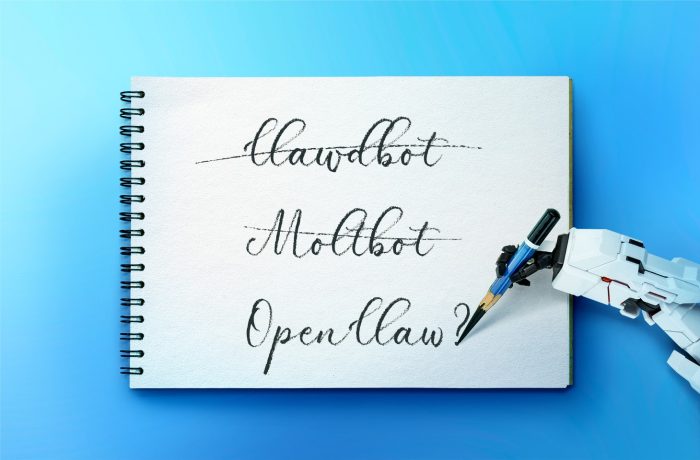
Today we’re diving into the OpenClaw AI agent — formerly known as “Clawdbot” and then “Moltbot” — to prove once again that secure AI is still a long way off.

Children’s AI toys have been caught discussing drugs and sex with kids. We break down the results of a study that reveals exactly how these smart (too smart!) toys are blowing up past boundaries.

Researchers have discovered that styling prompts as poetry can significantly undermine the effectiveness of language models’ safety guardrails.

Generative AI has taken sextortion techniques to a whole new level — now, any social media user can become a victim. How can you protect yourself and your loved ones?

A new wave of ClickFix attacks spreading a macOS infostealer are posting malicious user guides on the official ChatGPT website by piggybacking the chatbot’s chat-sharing feature.

We explain what data DeepSeek collects, who it shares it with, how to configure the chatbot for maximum privacy, and how to install a local version.

A comprehensive guide to configuring privacy and security in ChatGPT: data collection and usage, memory, Temporary Chats, connectors, and account security.
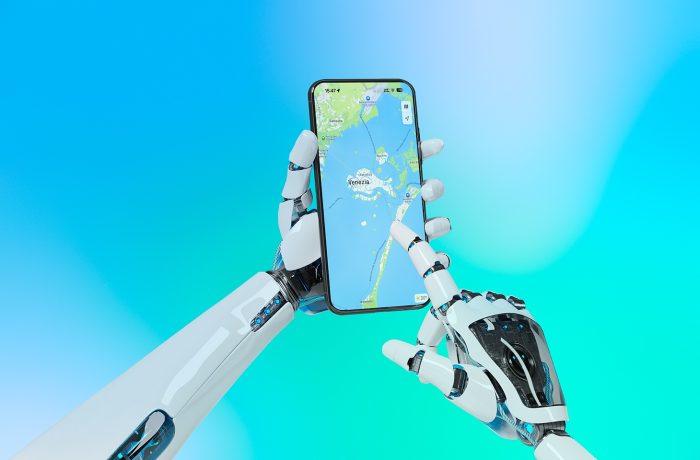
We look at how AI can help you plan your vacation — and what can go wrong.
 ChatGPT
 social engineering
 privacy
 dating