
 vulnerabilities
CVE-2025-33053: a good reason to update Windows
Internet Explorer sends its regards: a vulnerability in the HTTP protocol extension allows attackers to run malicious code — even on a modern operating system.
1186 articles
Internet Explorer sends its regards: a vulnerability in the HTTP protocol extension allows attackers to run malicious code — even on a modern operating system.

Malicious actors are busy setting up fake Netflix websites, trying to trick visitors into paying for supposedly legitimate subscriptions, and promising in-game currency and skins for popular games. How else are they scamming Gen Zers, and what can we do to fight back?

Since 2016, a threat actor has been exploiting insecure plugins and themes to infect WordPress websites and redirect traffic to malicious websites.

A popular password manager was modified to allow attackers to steal passwords and encrypt users’ data. How to protect home computers and corporate systems from this threat?

This post examines a hybrid email-and-phone scam in which attackers send emails from a genuine Microsoft email address.

Scammers are using Google ads to push fake versions of real websites – and they’re after business accounts and company data.

We explore how cybercriminals are targeting IT specialists searching for a popular network scanner, using the Interlock ransomware attack as an example.

How the situation with ransomware attacks on companies has changed, and why paying a ransom has become an even worse and more useless idea in 2025.

Why highlighted links to visited sites can be dangerous, and why a solution was over 20 years in the making.

This is your World Password Day reminder about how to create strong passwords and remember them.

An infection tactic called ClickFix is becoming increasingly popular among cybercriminals. We explain how such attacks work and how to protect your company against it.

Counterfeit smartphones imitating well-known brands and offered online come pre-installed with the powerful Triada Trojan.

Spoiler: nothing good. Along with pirated software, you’ll probably pick up a miner, stealer, or backdoor.
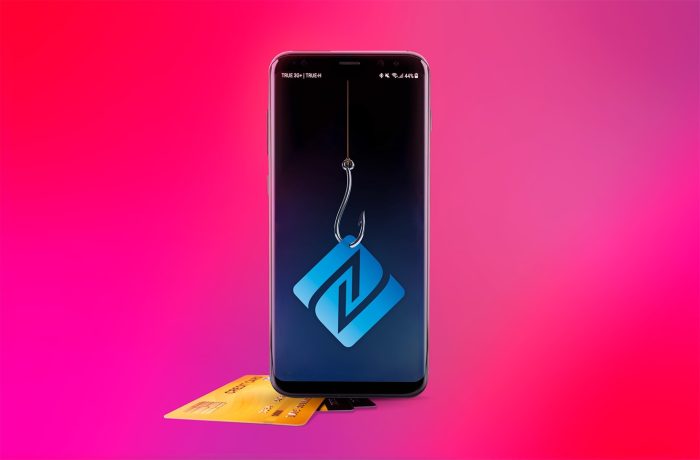
Cybercriminals are inventing new ways to swipe money from payment cards by using credentials phished online or over the phone. Sometimes, just holding your card to your phone is enough to leave you penniless.

New malware targets magic enthusiasts — sending stolen data to an “astral cloud server”.

Cybercriminals behind the Fog ransomware publish leaked data along with the IP addresses of attacked computers.

If you’ve ever downloaded game cheats from a YouTuber’s “link in the description”, your computer might be infected with a stealer.

Despite being digital natives, 70% of millennials rarely verify online identities – exposing themselves to risks. Discover how to build safer online habits with expert insights from Kaspersky.

We found several groups of sites mimicking official websites of the DeepSeek and Grok chatbots. Fake sites distribute malware under the guise of non-existent chatbot clients for Windows.


Eight signs your WhatsApp account has been stolen — and steps to recover and protect it.
 threats
 privacy
 passwords
 social engineering
 AI
AI