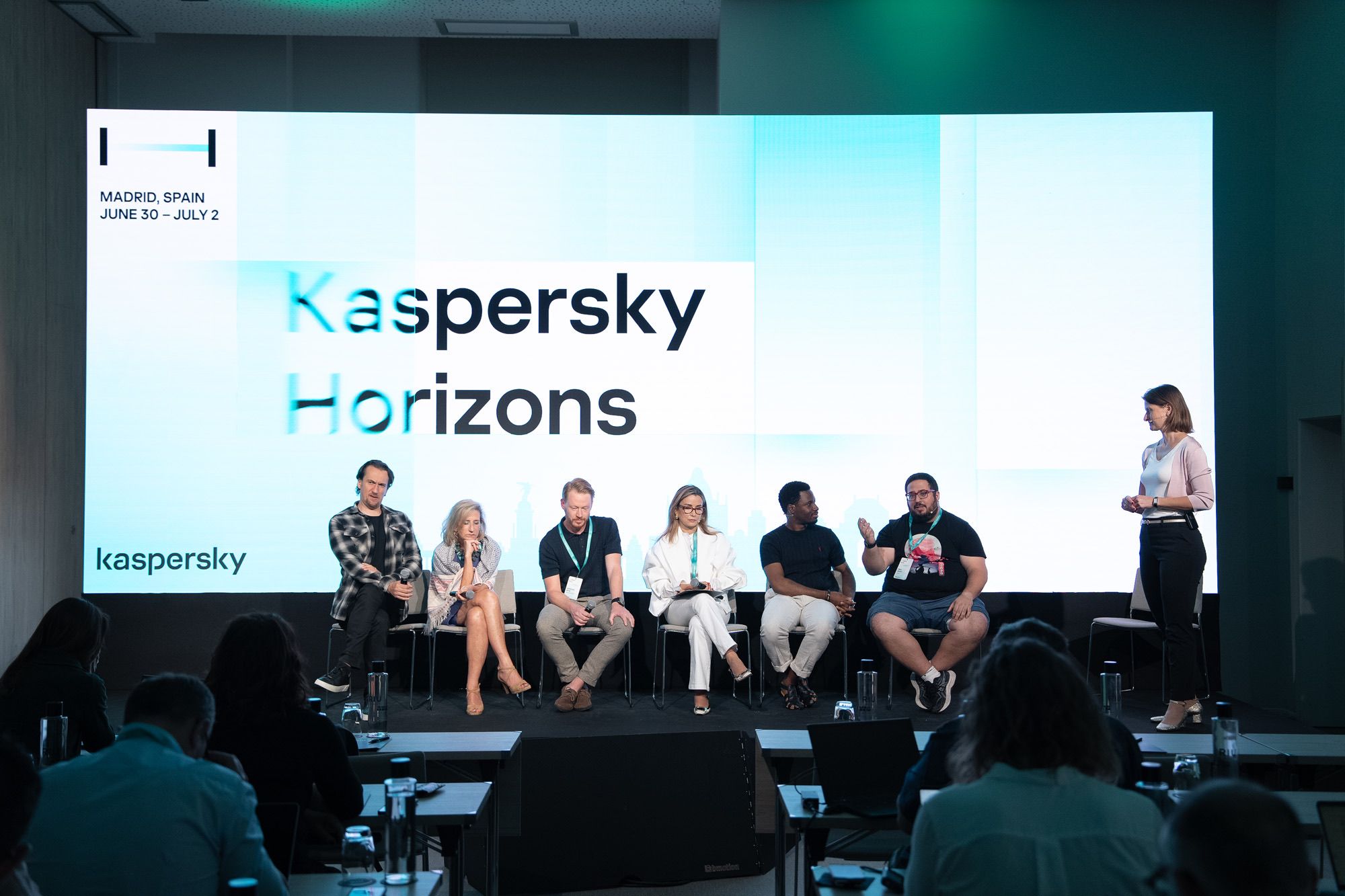
Kaspersky HORIZONS 2025, held in Madrid from June 30 to July 2, served as a strategic forum for exploring the future of cybersecurity. As the company’s flagship European event, it gathered experts to examine how cutting-edge technologies are reshaping global digital security. Central themes included the rise of AI-powered ransomware, the ethical deployment of artificial intelligence, and the looming impact of quantum computing.
Speakers included:
- Marc Rivero, Lead Security Researcher at Kaspersky;
- Jochen Michels, Head of Public Affairs, Europe, at Kaspersky;
- Clément Domingo, ethical hacker and cybersecurity evangelist known as SaxX;
- Liliana Acosta, CEO of Thinker Soul;
- Sergey Lozhkin, Head of GReAT for META and APAC;
- Pilar Troncoso, Chief Relations Officer at QCentroid;
- Johannes Verst, CEO of the Quantum Business Network.
Each expert brought their unique perspective to the challenges shaping the future of digital security.
These discussions reflected a shared urgency: the cybersecurity landscape is evolving fast, and collective resilience must keep pace.
FunkSec and the Rise of AI-Driven Ransomware
One of the key revelations at Kaspersky HORIZONS 2025 was the rise of FunkSec, a ransomware group using AI to scale attacks. Active since late 2024, FunkSec has targeted critical sectors across Europe and Asia with a compact Rust-based malware that disables over 50 processes, encrypts files, and exfiltrates data — no scripting required.
What makes FunkSec alarming is its use of large language models (LLMs) to generate code — reducing development time and technical barriers for cybercriminals.
“More and more, cybercriminals are leveraging AI to develop malicious tools,” said Marc Rivero, Lead Security Researcher at Kaspersky. “Generative AI lowers barriers and accelerates malware creation, enabling cybercriminals to adapt their tactics faster.”
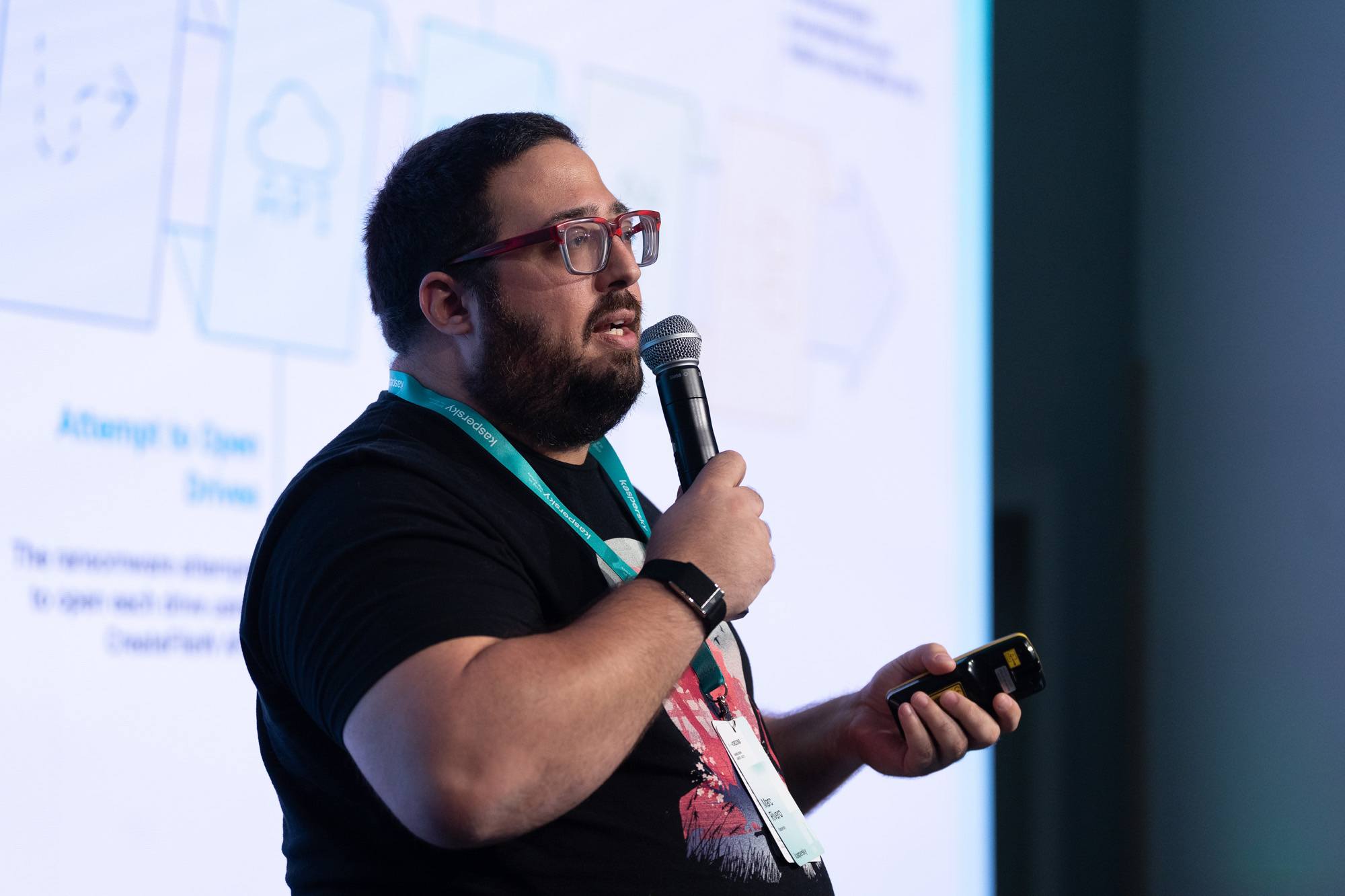
The group pairs low ransom demands (as little as $10,000) with password-triggered data theft and extra tools, pointing to a shift toward scalable, AI-driven cybercrime.
Cybersecurity in the Age of AI: From Tools to Ethics
At HORIZONS 2025, the spotlight turned not only to AI’s capabilities, but also to its consequences. As AI becomes more accessible, so do the risks — 52% of companies now fear reputational damage from AI-driven attacks, and 41% lack the external expertise needed to defend against them.
Kaspersky used the occasion to advocate for greater transparency, ethical standards, and secure-by-design practices. The company’s new Guidelines for Secure Development and Deployment of AI Systems offer a practical framework for responsible implementation.
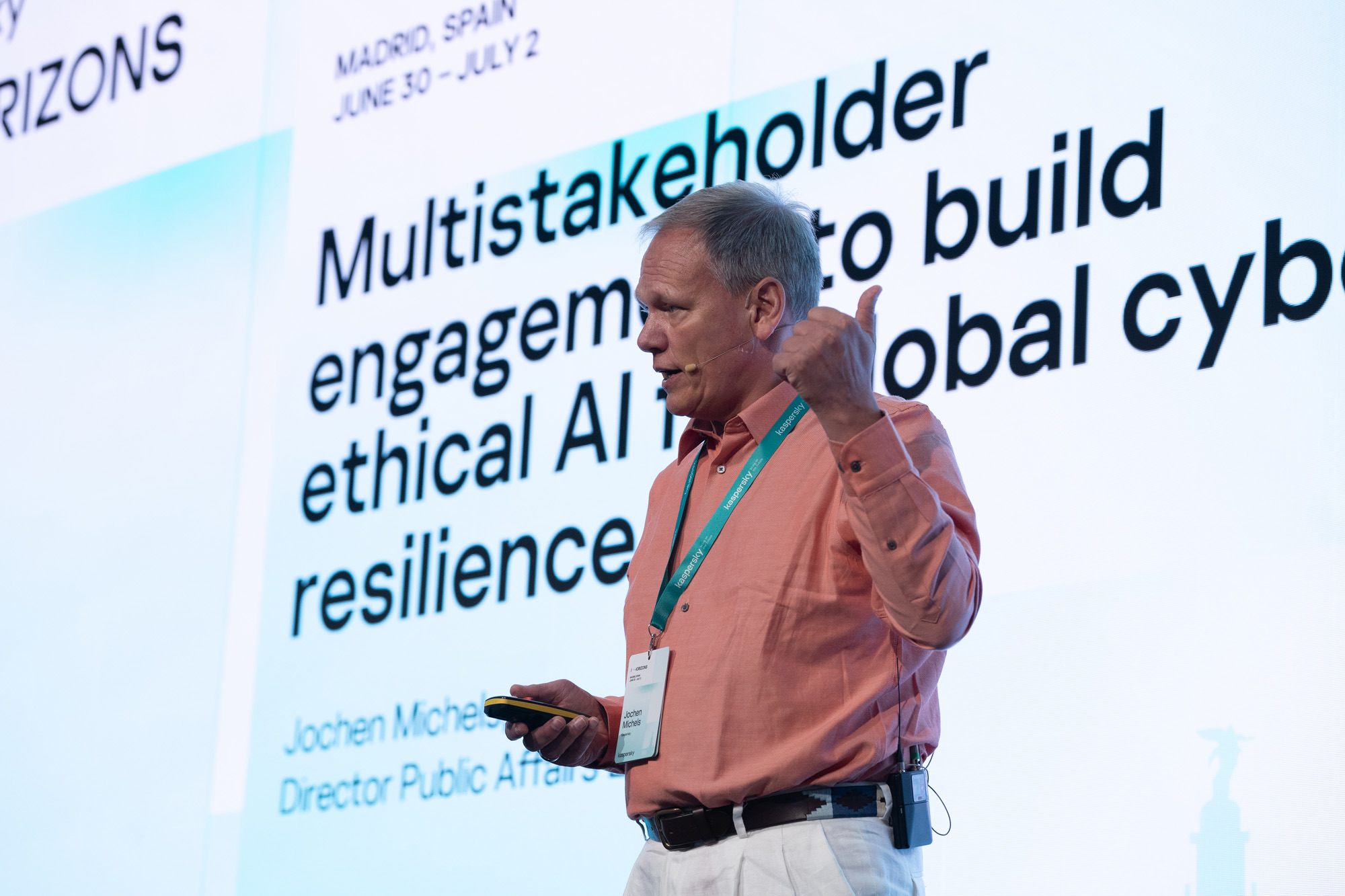
“Ethical AI is the foundation for trust, compliance and sustainable business success,” said Jochen Michels, Head of Public Affairs, Europe, at Kaspersky. “In an increasingly digitalized world, the responsible use of AI is not just a technological issue, but a matter of business integrity and long-term viability.”
Cybersecurity evangelist Clément Domingo reinforced the urgency of adapting to this reality:
“Over the past few months, I’ve witnessed the drastic use of AI by cybercriminals. They understand just how much of a game-changer it is. That’s why businesses must incorporate AI into their defense strategies, and use it wisely and responsibly to protect data, infrastructure and privacy.”
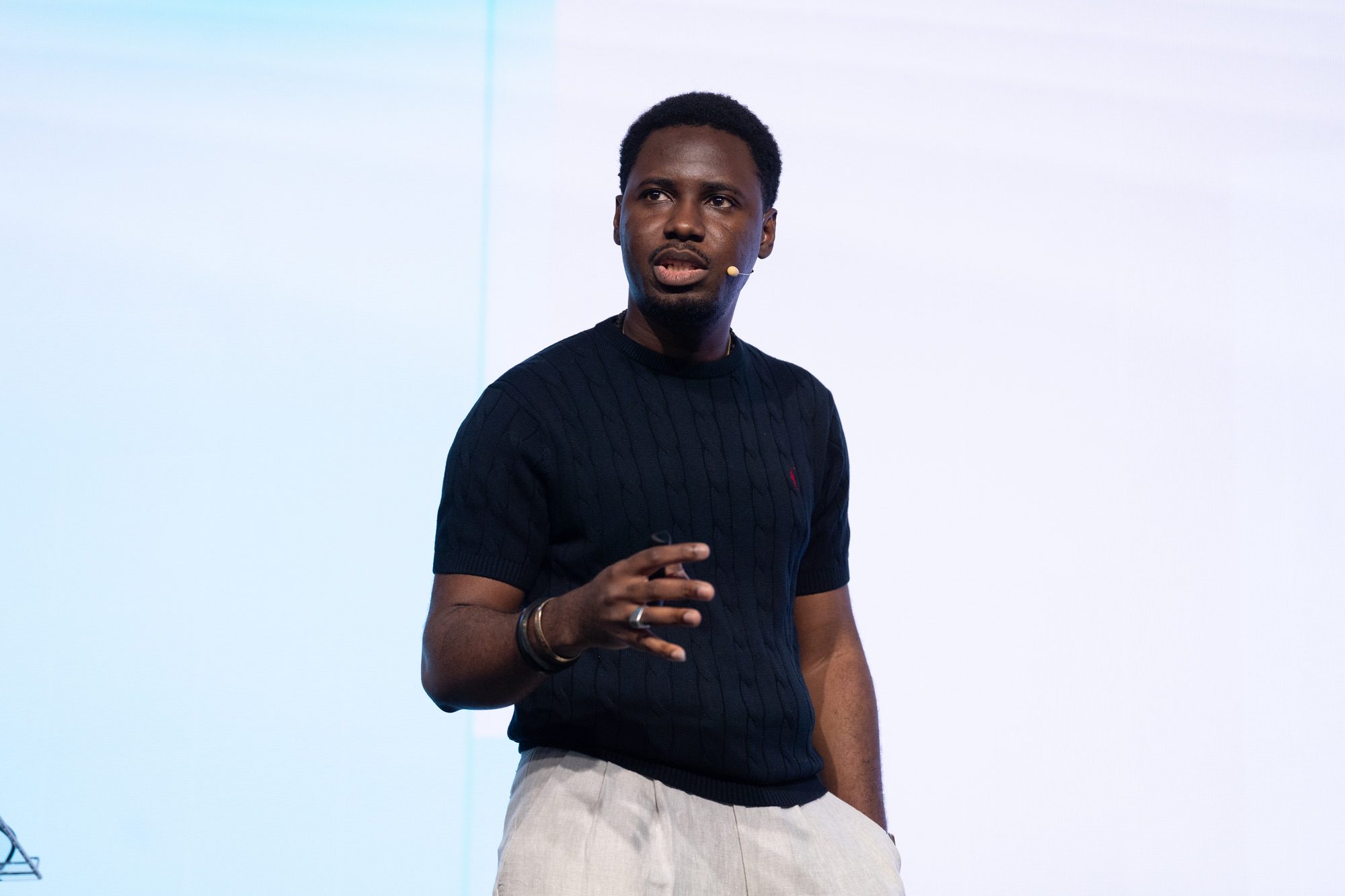
And beyond technology, there’s a human imperative. As Liliana Acosta, CEO of Thinker Soul, warned:
“Artificial intelligence is being increasingly used to strengthen cybersecurity — from spotting threats to predicting attacks. But who decides how far these tools should go? […] We need systems that are not only effective but also fair and ethical, ensuring power, responsibility and harm are shared justly in our digital world.”
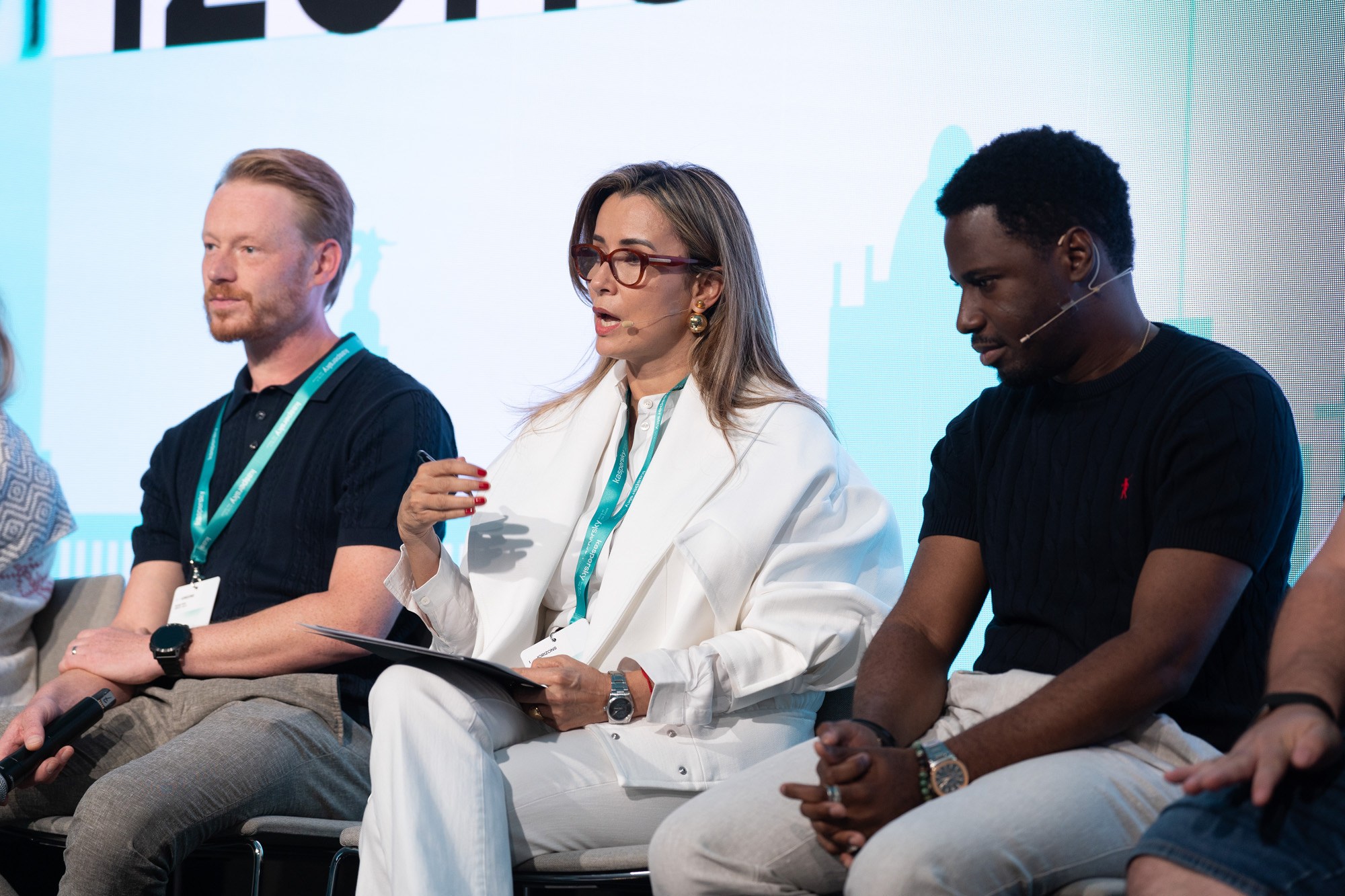
At the heart of it all is a principle we emphasized throughout the event: AI must serve security without compromising equity.
Quantum Computing and the “Store Now, Decrypt Later” Threat
While quantum computing promises breakthroughs in science and industry, its potential to break today’s encryption was a key concern at Kaspersky HORIZONS 2025. As noted during the event, 83% of organizations are already assessing quantum risks — and for good reason.
One of the most urgent threats is known as “store now, decrypt later”. Cybercriminals are already harvesting encrypted data with the aim of unlocking it once quantum capabilities mature — putting diplomatic, financial and personal information at long-term risk.
Other concerns include potential sabotage of blockchain systems, such as forging digital signatures, or compromising crypto wallets. Looking ahead, experts even warned of quantum-resistant ransomware, built with post-quantum cryptography to prevent decryption — even by quantum machines.
“The most critical risk lies not really in the future, but in the present,” explained Sergey Lozhkin, Head of GReAT for META and APAC. “Encrypted data with long-term value is already at risk. The security decisions we make today will define the resilience of our digital infrastructure for decades.”
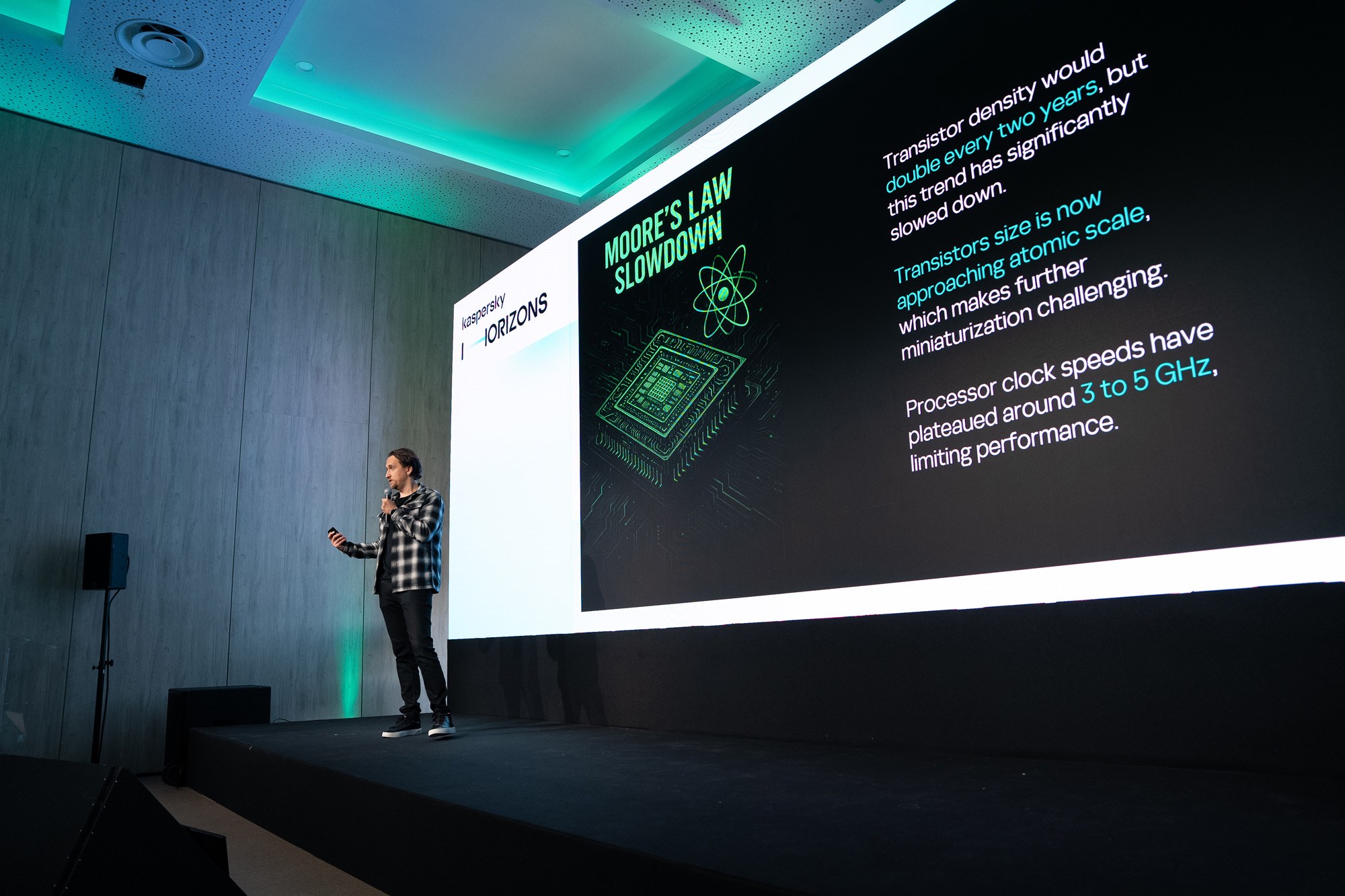
Kaspersky emphasized the need to begin the transition to post-quantum cryptography now. Readiness, the experts agreed, is no longer optional — it’s a race against time.
From Insight to Action: What Kaspersky HORIZONS 2025 Taught Us
Kaspersky HORIZONS 2025 us showed that the future of cybersecurity is unfolding right now. AI and quantum computing are accelerating threats and lowering barriers for attackers, while many organizations still lack the tools or frameworks to respond.
But the event also offered a way forward: secure AI deployment, post-quantum readiness, and ethical responsibility must become standard. Cybersecurity today is not just about technology — it’s about strategy, trust and collaboration.
For individuals, awareness is essential. For companies and governments, resilience demands proactive investment and shared responsibility.
Kaspersky remains committed to helping shape a safer digital future — through innovation, ethics and partnership.